
Nitric oxide is the popular name for AAKG (arginine alpha-ketoglutarate), a compound made from the amino
acidL-arginineand alpha-ketoglutarate, a substance formed in the body’s energy-generating process.
AAKG is a popular supplement among bodybuilders and other athletes because of claims that it increases production of nitric oxide in muscles.
Nitric oxide is known to have blood-flow-enhancing effects,1which could in theory increase the delivery of oxygen and nutrients to exercising muscle.
While L-arginine by itself is known to increase nitric oxide production, no research has been done to show that AAKG does the same.
However, double-blind trials of AAKG suggest it improves some measures of strength and power resulting from weight training.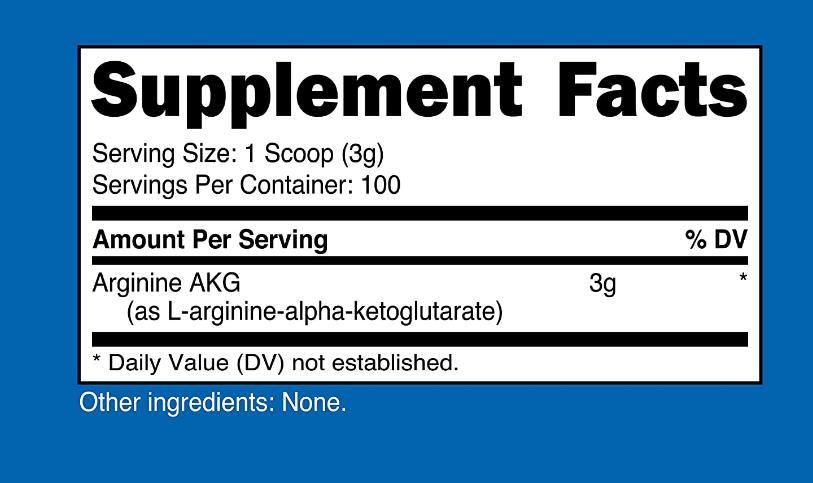
Background:
Arginine-alpha-ketoglutarate (AAKG) supplements are alleged to increase nitric oxide production, thereby resulting in vasodilation during resistance exercise. This study sought to determine the effects of AAKG supplementation on hemodynamics and brachial-artery blood flow and the circulating levels of L-arginine, nitric oxide metabolites (NOx; nitrate/nitrite), asymmetric dimethyl arginine (ADMA), and L-arginine:ADMA ratio after resistance exercise.
Methods:
Twenty-four physically active men underwent 7 days of AAKG supplementation with 12 g/day of either NO(2) Platinum or placebo (PLC). Before and after supplementation, a resistance-exercise session involving the elbow flexors was performed involving 3 sets of 15 repetitions with 70-75% of 1-repetition maximum. Data were collected immediately before, immediately after (PST), and 30 min after (30PST) each exercise session. Data were analyzed with factorial ANOVA (p < .05).
Results:
Heart rate, blood pressure, and blood flow were increased in both groups at PST (p = .001) but not different between groups. Plasma L-arginine was increased in the NO(2) group (p = .001). NOx was shown to increase in both groups at PST (p = .001) and at 30PST (p = .001) but was not different between groups. ADMA was not affected between tests (p = .26) or time points (p = .31); however, the L-arginine:ADMA ratio was increased in the NO(2) group (p = .03).