





Flaxseed protein
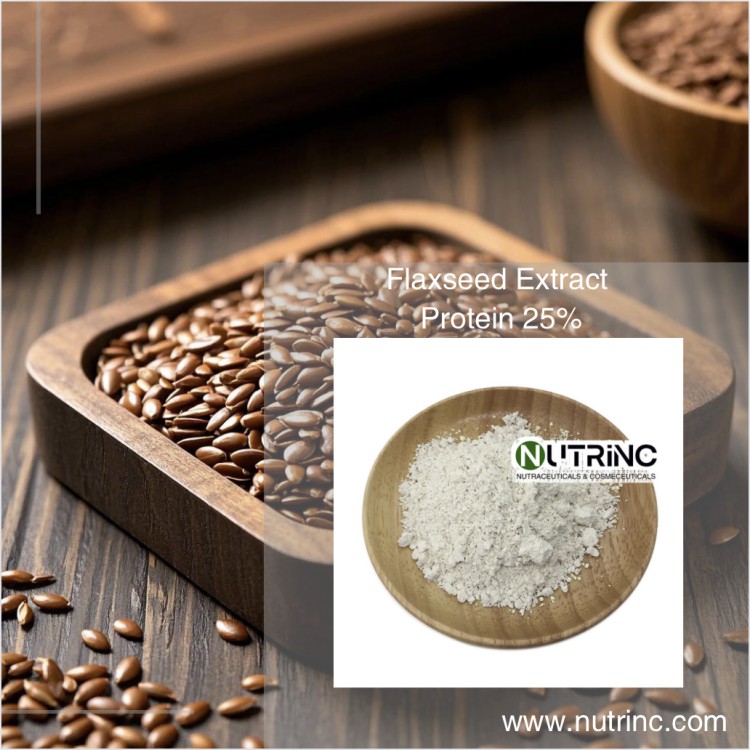
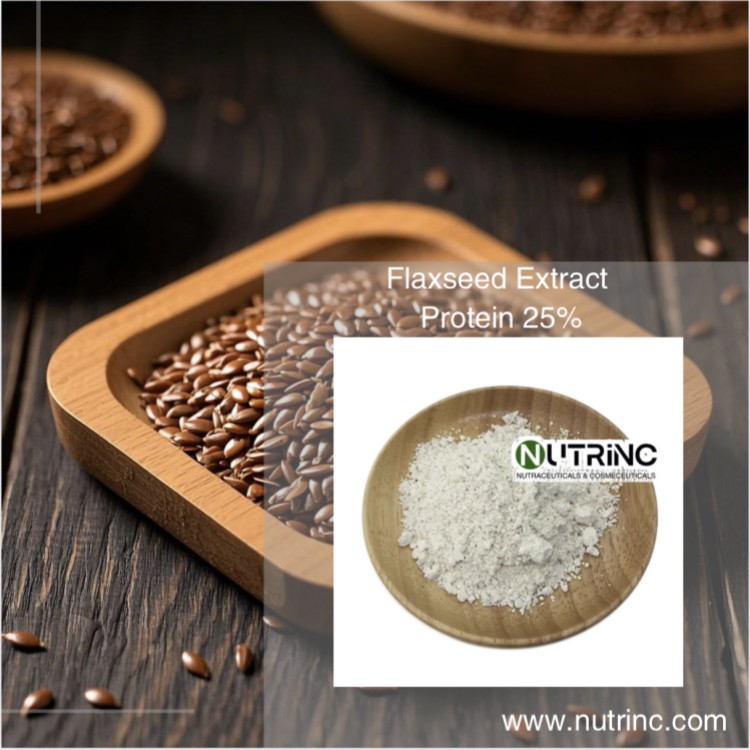
It is a protein extracted from flaxseed. Flaxseed itself is a nutrient-rich grain,
in addition to protein, but also contains fat, dietary fiber, minerals, alpha-linolenic acid, lignans,
flaxseed gum, vitamins and other ingredients

The function of flaxseed protein:
Flaxseed protein is one of the main components of flaxseed, it is not only rich in essential amino acids, but also has a variety of beneficial effects on the human body. Here are some of the main benefits of flaxseed protein:
1. Keep fit
The collagen in flaxseed protein acts on bones and improves bone strength. In addition, flaxseed oil can help regulate the metabolism of protein, fat and sugar, so that the soluble protein content in the blood is reduced, so that the blood flow is more smooth, and thus make the body more healthy.
2. Improve your skin
Flaxseed is rich in vitamins and protein, which can improve the fat content of the skin and make the skin smoother and more hydrated.
3.Lose weight
Flaxseed protein contains omega-3 fatty acids (alpha-linolenic acid) and is the only significant source other than deep-sea fish. Omega-3 fatty acids can help reduce weight loss in obese patients because they can replace other food sources of energy and reduce food intake.
4. Antioxidant
Lignans in flaxseed protein are antioxidants that help fight free radical damage and slow down the aging process.
5. Lower cholesterol and treat hyperlipidemia
The soluble fiber in flaxseed protein can trap fats and cholesterol in the digestive system, making it impossible for them to be absorbed. In addition, the antihypertensive properties of lignans also help to lower cholesterol levels.
6. Protect eyesight and enhance intelligence
The alpha-linolenic acid in flaxseed protein can be converted to DHA, which is an important building block in the brain and retina. Therefore, flaxseed protein helps to protect eyesight and enhance intelligence.
7. Anti-allergy and anti-inflammatory
The alpha-linolenic acid in flaxseed protein has an anti-allergic effect, reducing blood viscosity and reducing inflammatory responses.