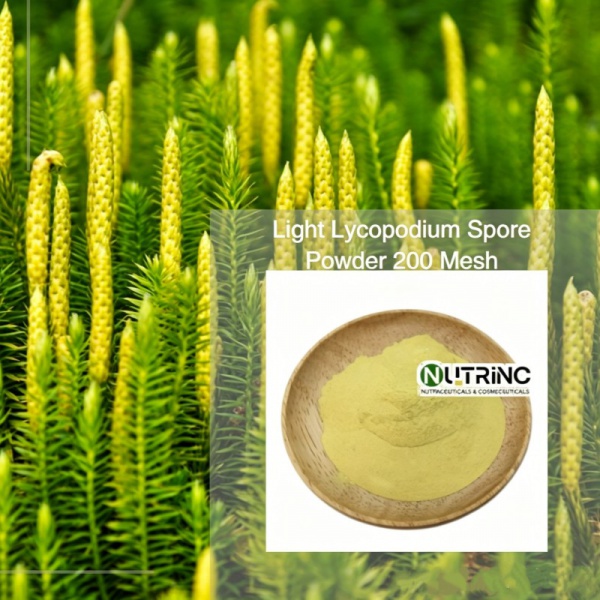

Light Lycopodium Powder & Heavy Lycopodium Spore Powder 200 Mesh
light heavy lycopodium spore powder 100% natural firework powder,fireworks lycopodium spore powder, Magic Show powder

Products

More Products
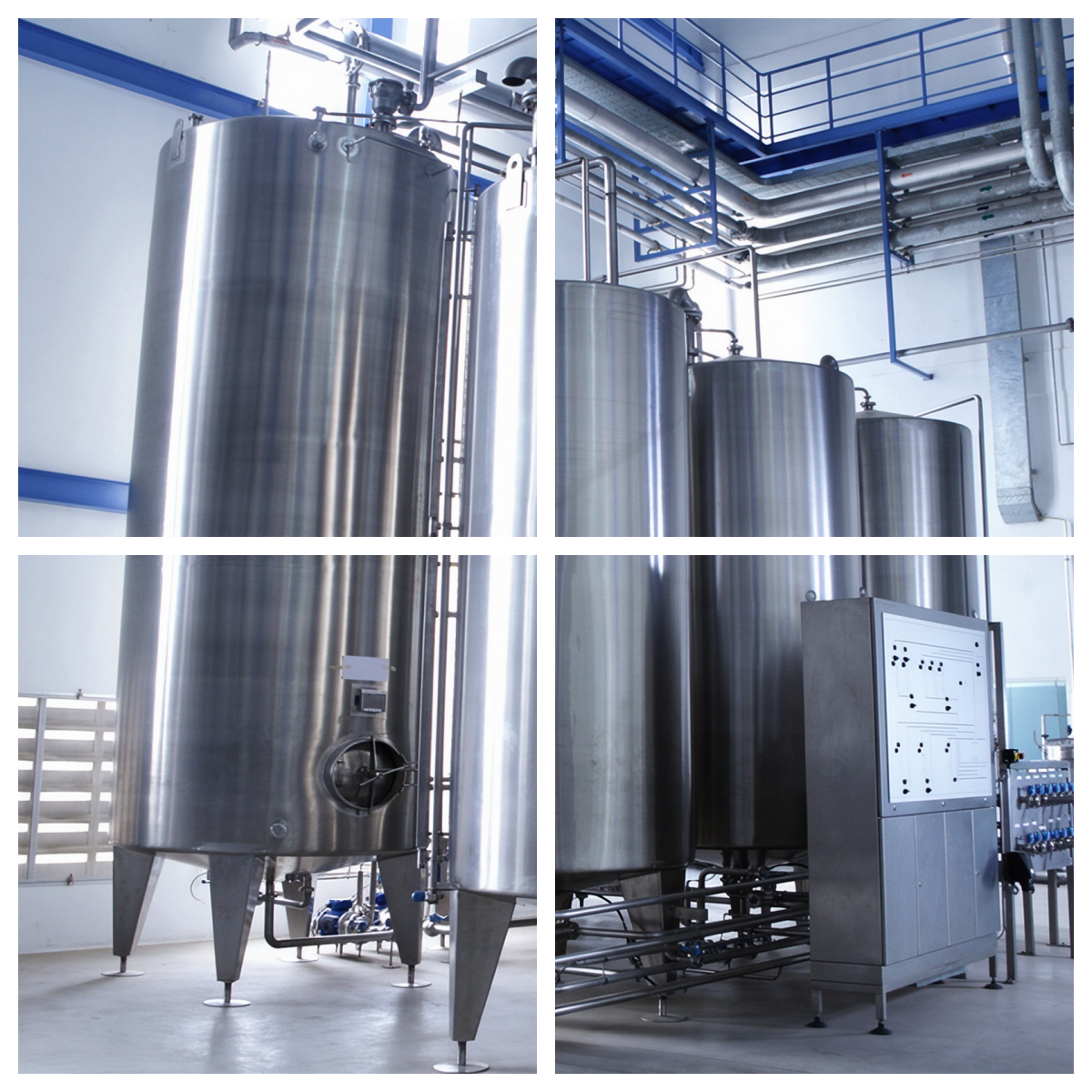
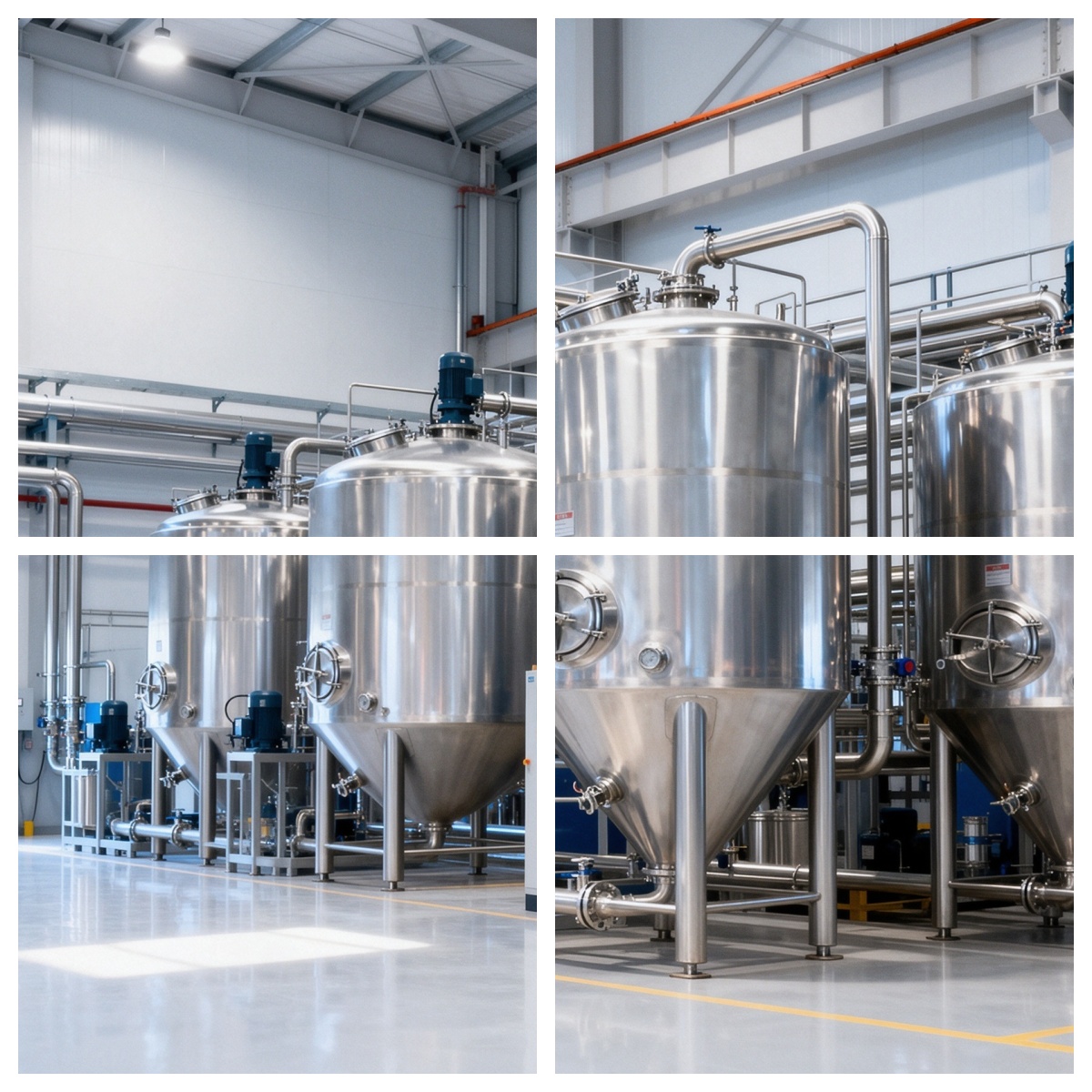
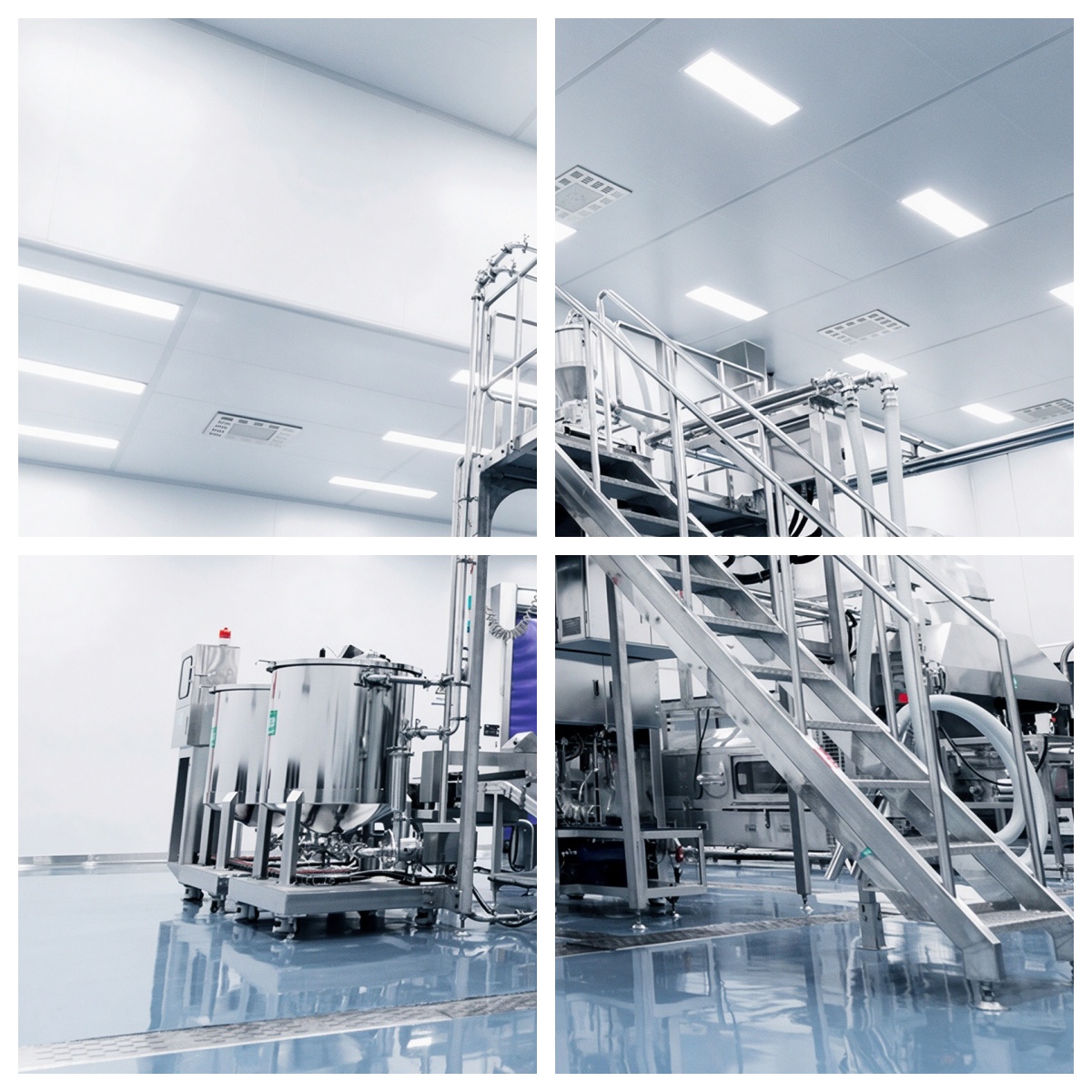
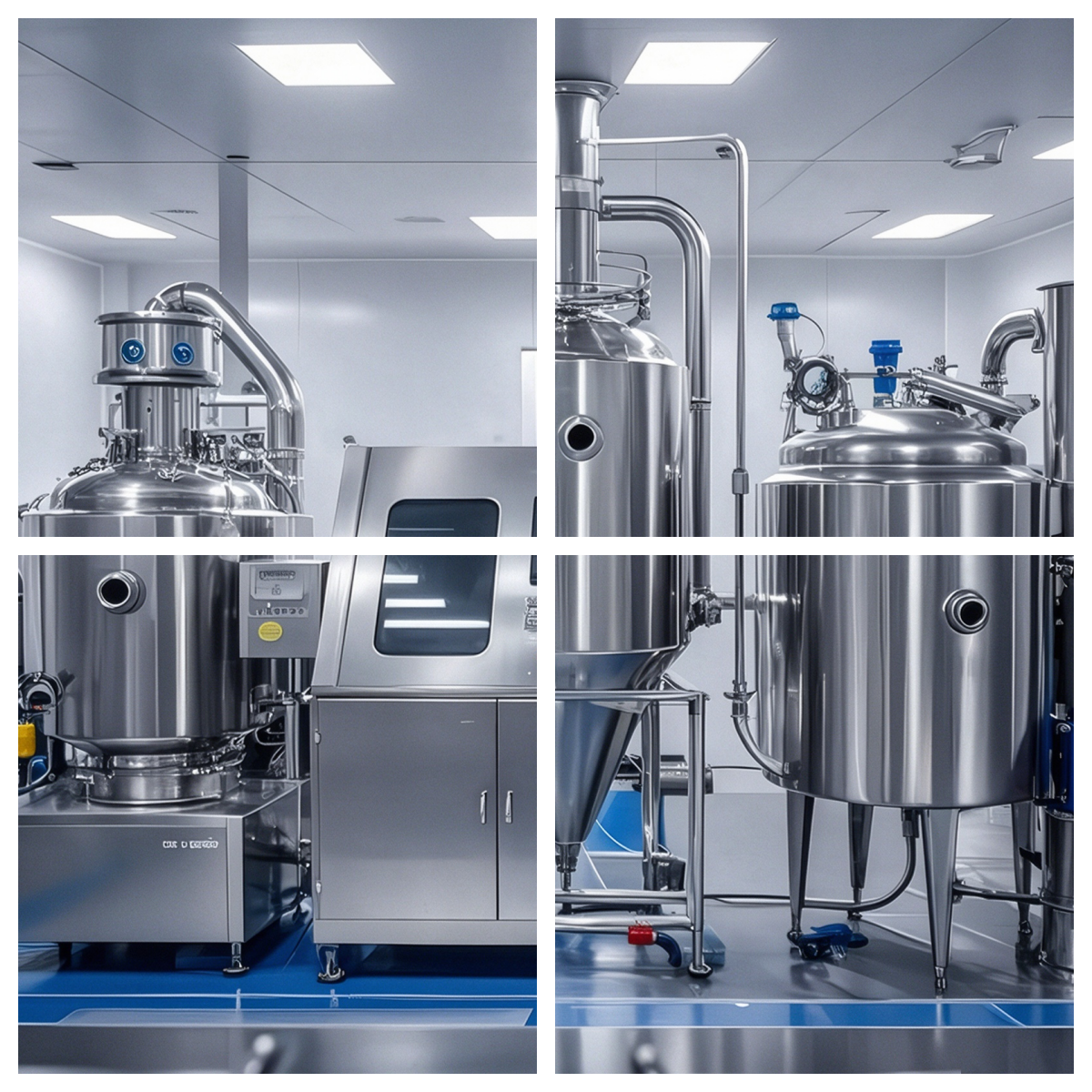

Send yours inquire to us
Nutrinc Limited.
Serious, timely and professional attitude
to answer any question in our business work
-Commitment Of All Nutrinc Staff
Entrance
Nutrinc China:
No.99 Changming Road, Xian Shaanxi China 710000
info@nutrinc.com
WhatsApp: +86-18919911108
Nutrinc Korea:
7 Deokpungbuk-ro 259 beon-gil,Hanam-si,Korea 12933
alison@nutrinc.com
WhatsApp:+82 10-9115-0589
Factory Add:
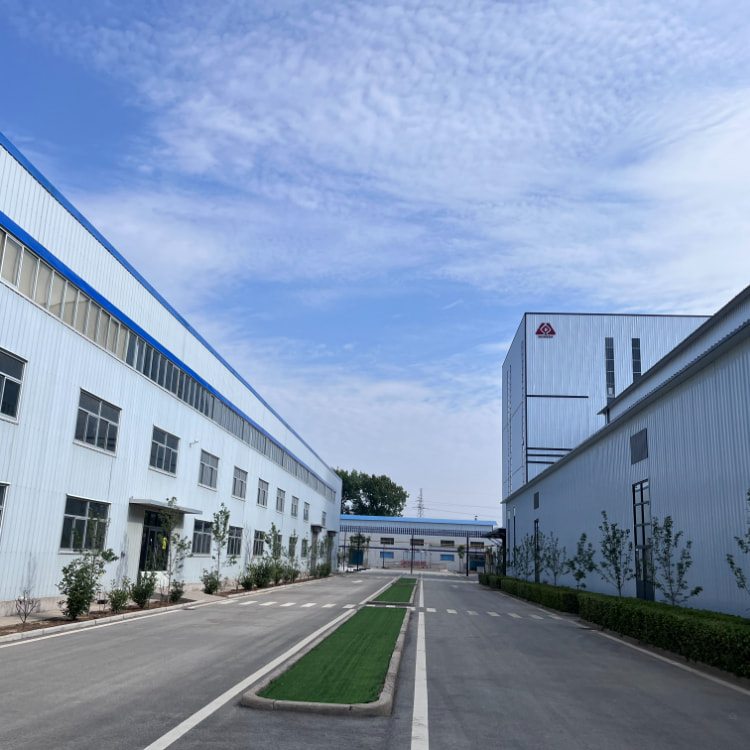
Dacheng Town Sanyuan County Xianyang City Shaanxi China
purchasing@nutrinc.com
Web: www.nutrinc.com
Copyright © Nutrinc Limited.
All Rights Reserved

PREV
NEXT
Address
Add: No.99 Changming Road, Xian Shaanxi China
M.Add:Dacheng Town Sanyuan County Xianyang City Shaanxi China
Web: www.nutrinc.com
Tel: +86-18919911108
E-Mail: leon@nutrinc.com
Copyright © 2015-2025 Nutrinc Limited.
All Rights Reserved.