Ellagic acid
It is found in a wide variety of plants, such as grapes, blueberries, strawberries, pomegranates and other fruits,
as well as nuts such as walnuts and almonds. Among them, the content of ellagic acid in pomegranate is relatively high.
In addition, ellagic acid can also be found in oak, sumac and other plants, it is usually present in the form of ellagitannin in plant tissues,
after hydrolysis to obtain ellagic acid.
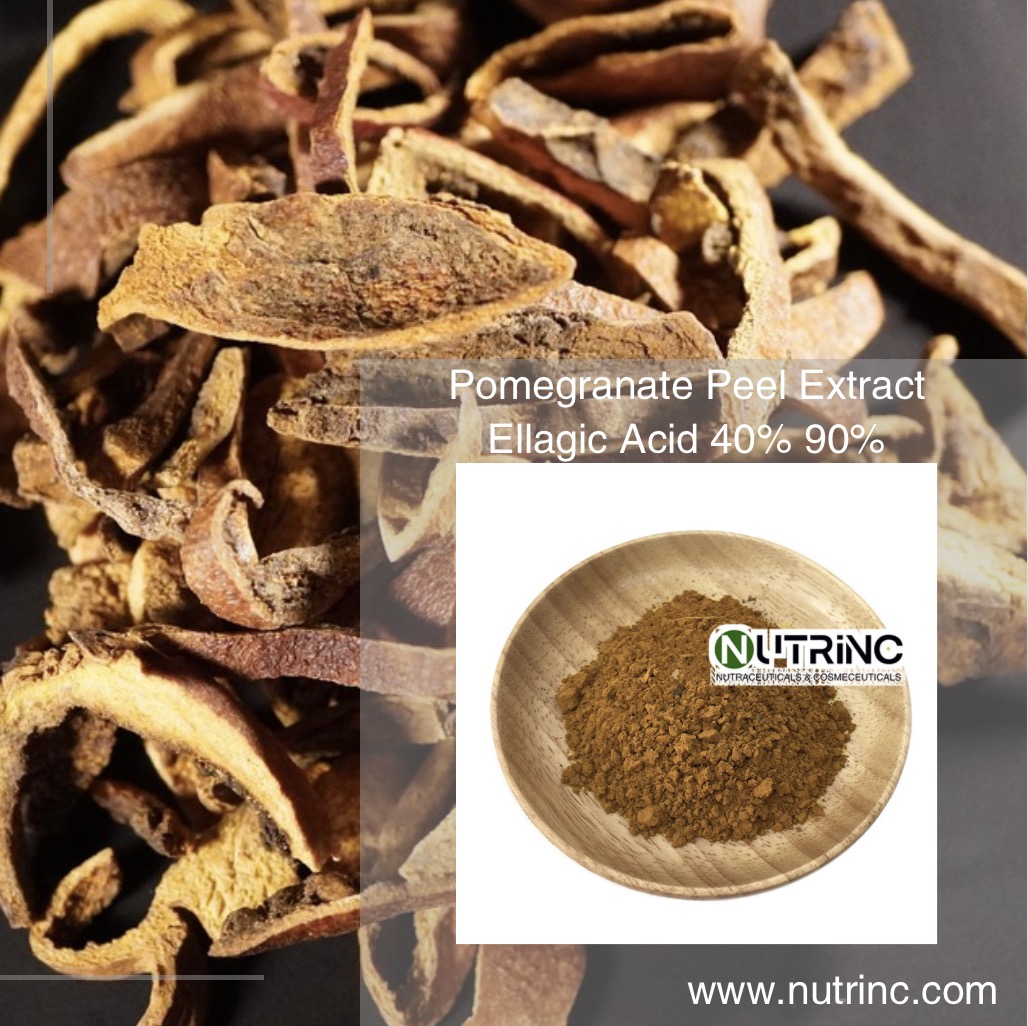
Pomegranate Peel Extract
English name: Ellagic acid
Molecular Formula: C₁₄H₆O₈
Molecular weight: 302.20
CAS login number: 476-66-4
Appearance: Brown Fine Powder
Active Ingredient: Ellagic Acid
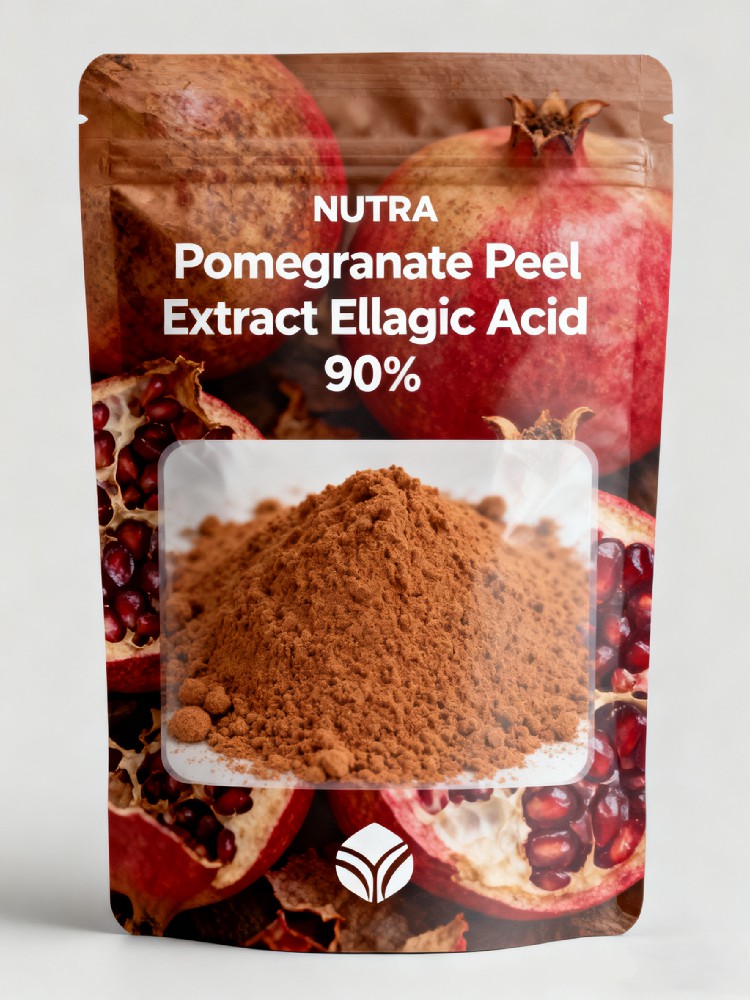
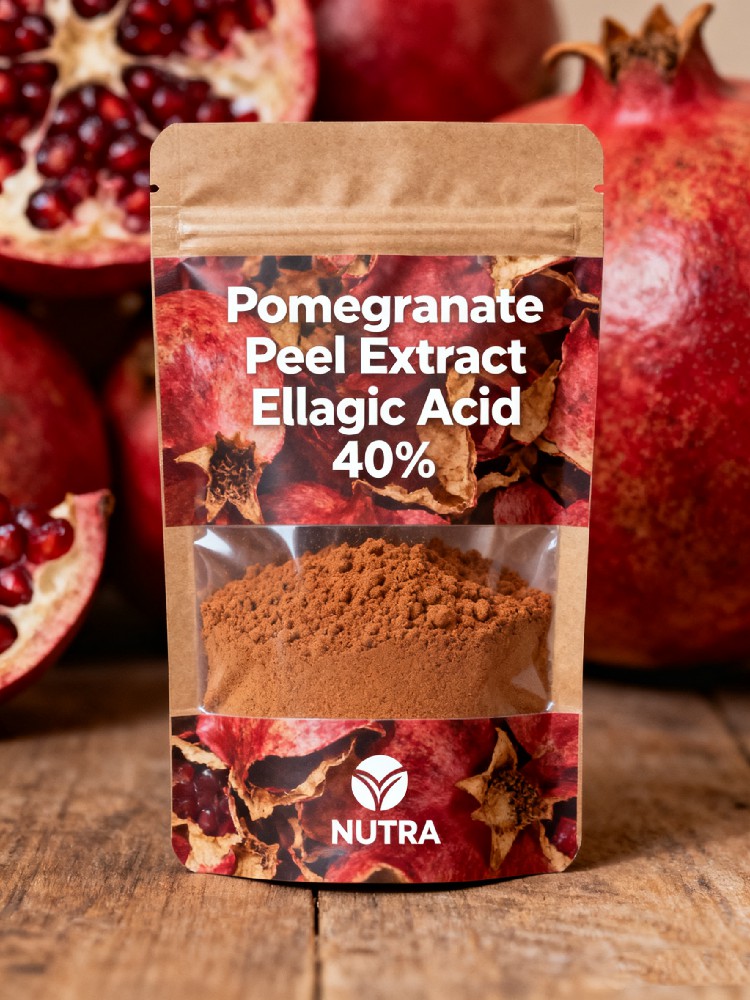
Specification: 40% 90%
Analysis Method: HPLC
Place of Origin:China
Packaging:1KG/Bag. 25kg/drums
The private label service:1kg/cans 500g/1kg/ Aluminum foil bag
the Capsules OEM service; 0# Capsules 500mg/pcs. 2000pcs/kg in Vacuum bag
Function of Ellagic acid
Antioxidation
1. Scavenging free radicals:
Ellagic acid has a plurality of phenolic hydroxyl structures, this special molecular structure enables it to provide hydrogen atoms, and the body of free radicals such as superoxide anion free radicals, hydroxyl free radicals, etc., to convert them into stable substances, thereby reducing free radicals to cells and biomolecules oxidative damage.
2. Enhance antioxidant enzyme activity:
Ellagic acid can also enhance the activity of antioxidant enzymes such as superoxide dismutase (SOD) and glutathione peroxidase (GSH-Px) by activating the cellular antioxidant defense system, which can work together to further remove free radicals in the body and maintain the REDOX balance in the cell.
3. Prevention of chronic diseases:
Since oxidative stress is closely related to the occurrence and development of many chronic diseases, the antioxidant effect of ellagic acid helps to reduce the risk of cardiovascular diseases, diabetes, neurodegenerative diseases and so on.
Anticancer effect
4. Inducing tumor cell apoptosis:
Ellagic acid can induce tumor cell apoptosis through many ways, for example, it can activate the intracellular apoptosis signaling pathway, promote the programmed death of cancer cells, and thus inhibit the proliferation and growth of tumor cells.
5. Inhibit tumor cell invasion and metastasis:
Ellagic acid can regulate the interaction between tumor cells and extracellular matrix, inhibit the migration and invasion ability of tumor cells, and reduce the metastasis of tumor cells to surrounding tissues and distant organs.
6. Antioxidant damage:
By scavenging free radicals, ellagic acid can reduce oxidative damage to biological macromolecules such as DNA and reduce the probability of gene mutation, thus preventing cancer to a certain extent.
Antibacterial and anti-inflammatory effects
7. Antibacterial effect:
Ellagic acid has an inhibitory effect on a variety of bacteria. It can prevent the growth and reproduction of bacteria by destroying the cell membrane of bacteria, interfering with the metabolic process of bacteria or inhibiting the synthesis of bacterial cell wall, so as to play an antibacterial and anti-inflammatory role.
8. Anti-inflammatory effect:
Ellagic acid can inhibit the release of inflammatory mediators and the activation of inflammatory signaling pathway, and reduce the occurrence of inflammatory response. It can reduce the expression level of inflammatory factors such as interleukin-6 (IL-6) and tumor necrosis factor-α (TNF-α), and reduce the damage of inflammation to tissues.
9. Cardiovascular protection:
Ellagic acid can reduce blood cholesterol and triglyceride levels, inhibit platelet aggregation, prevent thrombosis, and can also dilate blood vessels and increase the elasticity of blood vessels, thus playing a protective role in the cardiovascular system.
10. Protect your liver:
Ellagic acid can alleviate the oxidative damage of liver cells, inhibit the activation and proliferation of hepatic stellate cells, reduce the occurrence of liver fibrosis, and have a certain protective effect on liver.
11. Improve intestinal function:
Ellagic acid can promote the growth and reproduction of intestinal beneficial bacteria, regulate the balance of intestinal flora, enhance intestinal barrier function, and help prevent intestinal diseases and improve intestinal health.