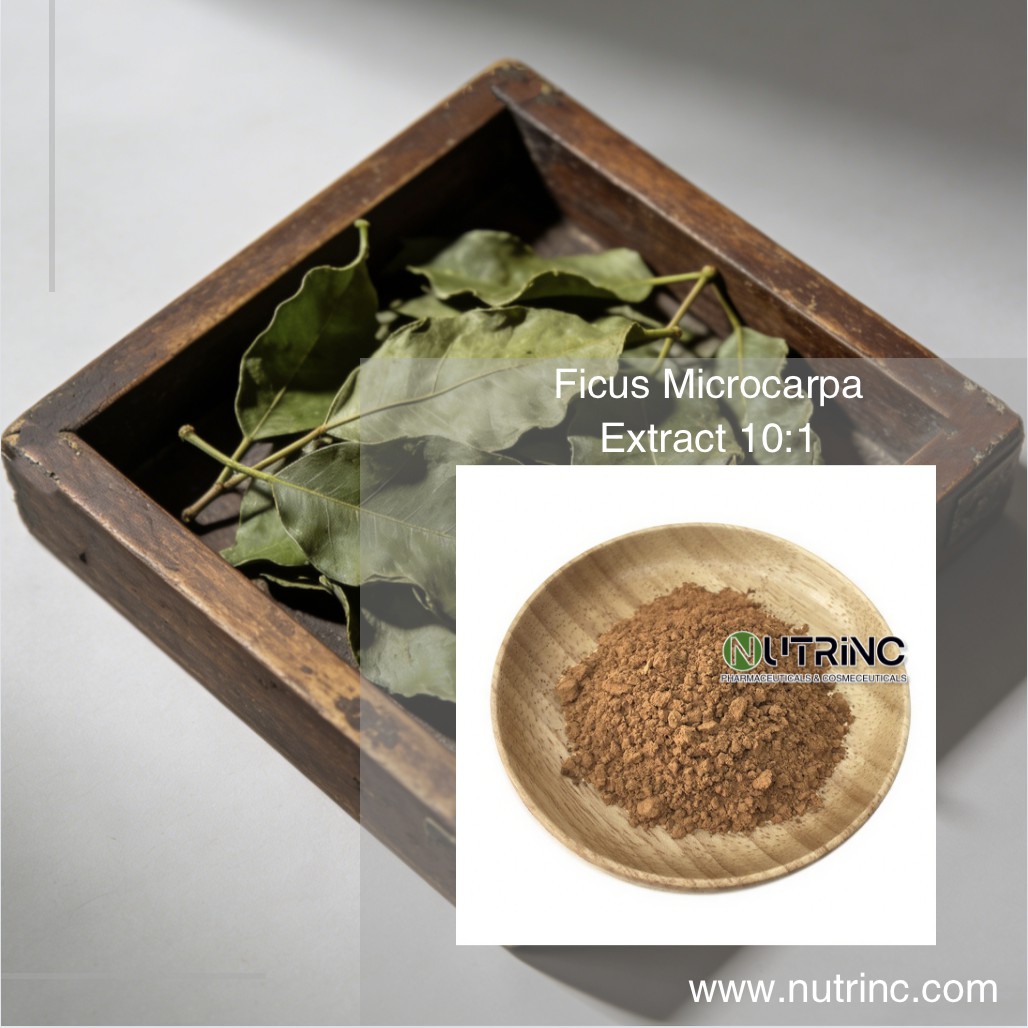


Ficus Microcarpa Extract
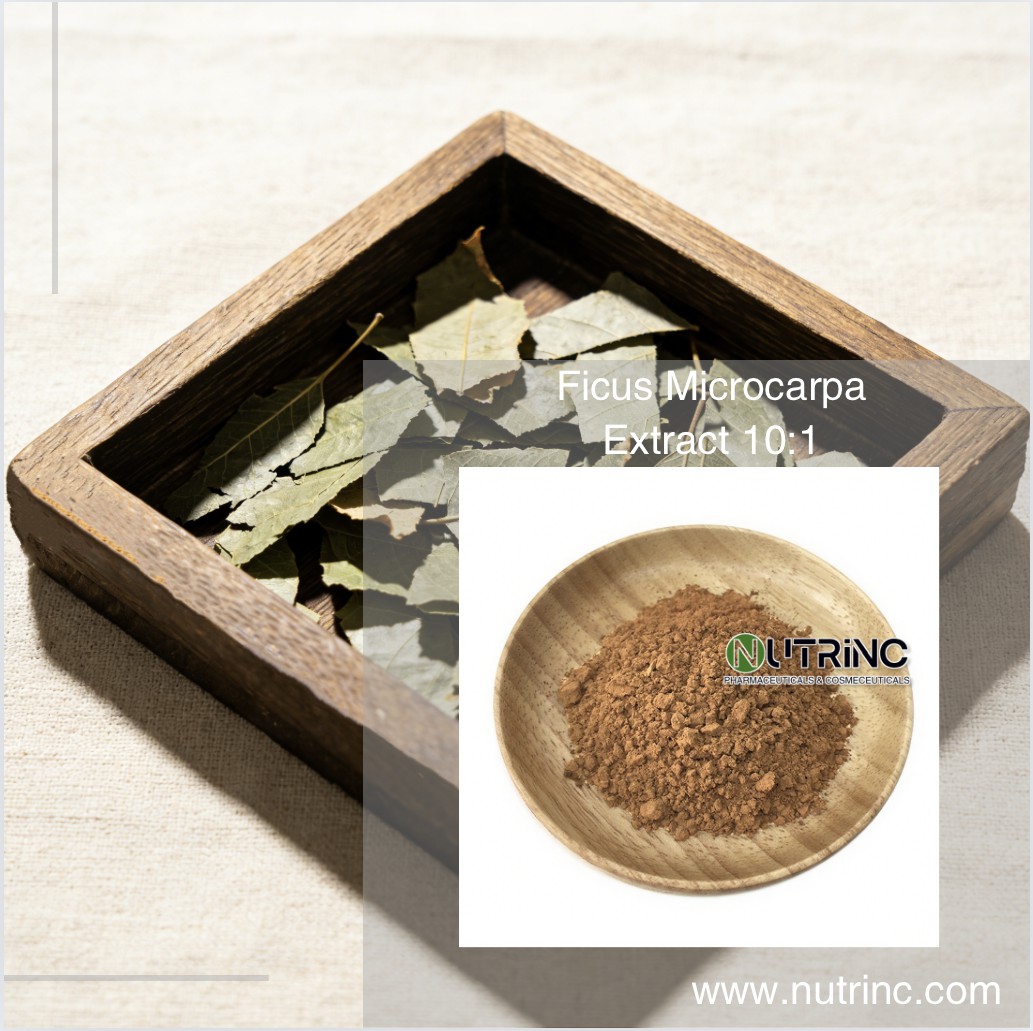
Ficus microcarpa extract powder is a plant extract extracted from the leaves of Ficus microcarpa. It is mainly used in traditional Chinese medicine preparations (such as Keteling Tablets), and has the effects of clearing heat, resolving phlegm, relieving cough and asthma. It also contains active flavonoids such as vitexin and isovitexin.

Ficus Microcarpa Extract Function:
1.Respiratory system health care
Cough relief and expectoration:
The flavonoid components it contains (such as quercetin) can inhibit airway inflammation and relieve bronchospasm, and are often used as an adjunctive treatment for chronic bronchitis and asthma.
Anti-infection:
It has an inhibitory effect on respiratory pathogenic bacteria such as Staphylococcus aureus and Streptococcus, and may alleviate the symptoms of pharyngitis and tonsillitis.
2. Anti-inflammatory and immune regulation
Alleviating inflammation:
Triterpenoids (such as β -sitosterol) reduce inflammatory factors (such as IL-6 and TNF-α) by inhibiting the NF-κB pathway, and have certain improvement effects on arthritis and enteritis.
Boosting immunity:
Polysaccharide components can activate macrophages and enhance non-specific immune function.
3. Antioxidation and anti-aging
Eliminating free radicals:
The antioxidant capacity of phenolic acid substances (such as chlorogenic acid) can delay cellular oxidative damage and potentially reduce the risk of cardiovascular diseases.
Skin protection:
Topical application may reduce skin aging caused by ultraviolet rays (more clinical verification is required).

4. Digestive system support
Liver-protecting effect:
Animal experiments have shown that it can reduce the levels of liver enzymes (such as ALT and AST) and alleviate chemical liver damage.
Promoting digestion:
Traditionally used for abdominal distension and indigestion, it may be related to stimulating bile secretion.
5. Other potential benefits
Lowering blood sugar:
Preliminary studies suggest that its extract may regulate blood sugar by inhibiting α -glucosidase (more human trials are needed).
Anti-anxiety:
Used for sedation in Ayurveda, it may be related to the regulation of GABA receptors, but the evidence is weak.