
Introduction to liposome technology
Liposome encapsulation technology is to wrap the effective ingredients with another material (raw material), the particle size is small
so that it is not easy to penetrate into the skin, or is not water-soluble, not oil-soluble ingredients, to achieve efficient penetration or compatibility.
It can act precisely on the target, slow release and long lasting
Liposome series products
Liposome glutathione
Liposome vitamin C
Liposome resveratrol
Liposome NMN
Liposome ceramide
Liposome curcumin
Liposome coenzyme Q10
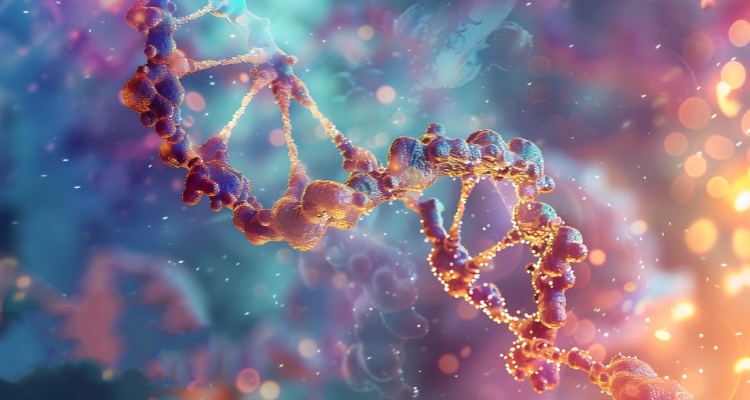
Liposome drug raw material has many advantages.It is mainly reflected in the following aspects:
1. Passive targeting:
After the liposome enters the body, due to its particle size, surface properties and other factors, it will be preferentially recognized
and taken up by mononuclear macrophage system (MPS),
so as to enrich in organs rich in MPS such as liver and spleen, and achieve passive targeted drug delivery.
This is of great significance for the treatment of diseases of the liver, spleen and other parts, such as liver parasitic infection, liver cancer, etc.,
which can make the drug concentrated in the lesion site and improve the therapeutic effect.
2. Active targeting:
By modifying specific ligands on the surface of liposomes, such as antibodies, peptides, sugar chains, etc.,
it can be made to bind to specific receptors on the surface of diseased cells to achieve active targeting. For example,
the modification of anti-HER2 antibodies on the surface of liposomes allows it to specifically recognize
and bind to the overexpressed HER2 receptor on the surface of breast cancer cells, and precisely deliver drugs to tumor cells, reducing damage to normal cells.
3. Protect the drug from degradation:
Many drugs are easily degraded and deactivated by enzymatic hydrolysis, acid-base environment and other factors in vivo.
Liposomes can encase the drug in its internal aqueous or lipid phase, forming a physical barrier that protects the drug from the outside environment.
For example, some proteins and peptides, after being wrapped in liposomes, can avoid being hydrolyzed by protease and prolong the action time of drugs in the body.
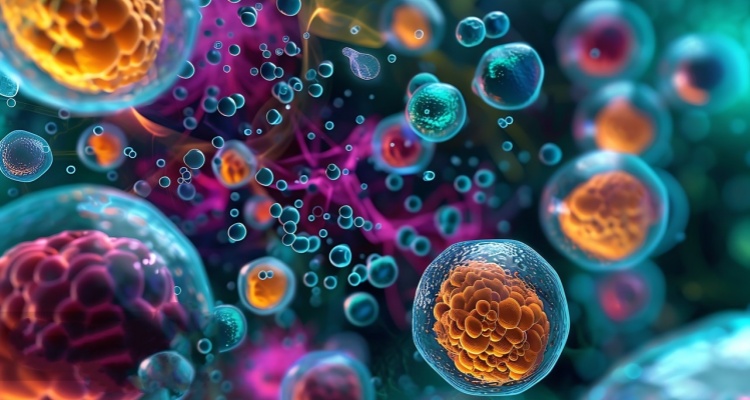
4. Prevent drug oxidation:
Some drugs are easily oxidized and can easily deteriorate by reacting with oxygen in the air during storage and use.
The phospholipid bilayer structure of liposomes can provide a relatively closed environment, reduce the contact between drugs and oxygen,
thereby preventing drug oxidation and improving the stability of drugs.
5. Reduce drug toxicity
Changing drug distribution: Liposomes can change the distribution of drugs in the body, so that the drug is more distributed in diseased tissue and less in normal tissue.
For example, doxorubicin is a commonly used antitumor drug, but has serious side effects such as cardiac toxicity.
After preparation of doxorubicin liposomes, the concentration of doxorubicin in tumor tissues was significantly increased,
while the concentration of doxorubicin in normal tissues such as heart was decreased, thus reducing the cardiotoxicity of doxorubicin and improving the drug safety and tolerance of patients.
6. Slow and controlled release:
Liposomes can control the release speed of drugs, so that drugs are slowly released in the body, and avoid the toxic side effects of drugs released in a short period of time.
In the case of paclitaxel liposomes, it is able to continuously release paclitaxel in the body, extending the duration of action of the drug, while reducing the peak concentration of the drug and reducing the acute toxicity of the drug to normal tissues.
6. Biocompatibility:
Phospholipid, the main component of liposome, is the basic component of biofilm, which has similar structure and composition with biofilm,
so it has good biocompatibility, can not cause obvious immune reaction and toxic reaction in the body, and can be well accepted by the body.
7. Degradability:
Liposome can be degraded by biological enzymes in the body, and its degradation products such as phosphatidic acid and fatty acid are normal metabolites in the body,
which can be metabolized and utilized by the body, and will not accumulate in the body, reducing the potential harm to the body.
8. Solubilization:
For some insoluble drugs, liposomes can increase the solubility of the drug by dissolving the drug in its lipid or water phase,
or by forming a complex with the drug.
For example, some fat-soluble drugs can be dissolved in the phospholipid bilayer of liposomes,
forming a stable liposomal drug system and improving the solubility and bioavailability of drugs.
9. Improve drug dispersion:
Liposomes can evenly disperse the drug inside or on its surface, so that the drug forms a stable dispersion system in the solution,
avoiding the accumulation and precipitation of the drug. For some drugs that are easy to precipitate in water, such as some antibiotics,
liposomes can improve the stability and dispersion of drugs in solution and facilitate clinical use.