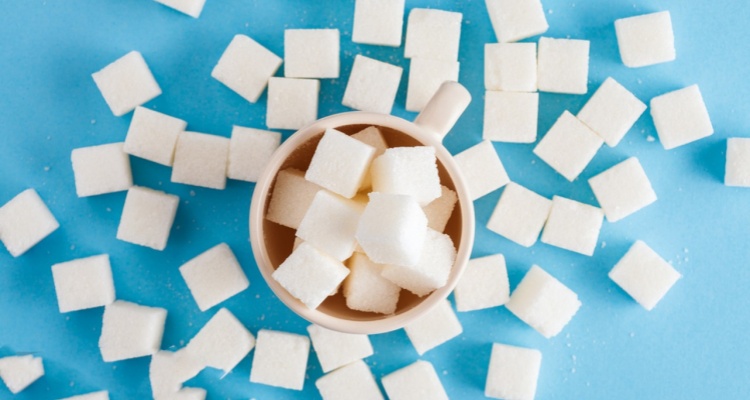

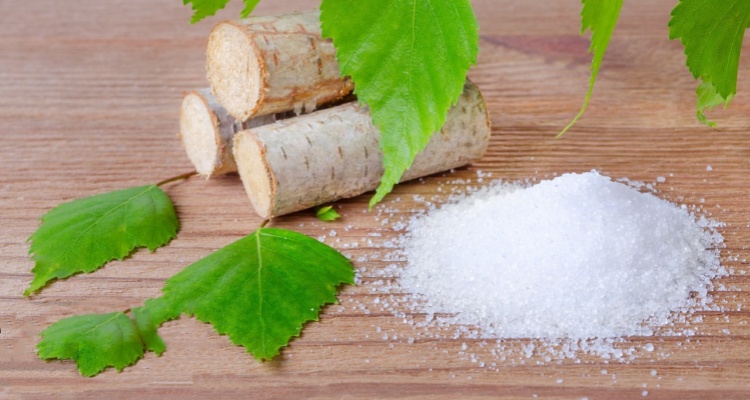
Sugar substitute products refer to foods that replace traditional sugars (such as white sugar, granulated sugar, sucrose, glucose, etc.) with sugar substitute.
These products have the same sweetness, but have lower calories or no calories, and are suitable for people who are concerned about health,
weight control or blood sugar. The following is a specific introduction to sugar replacement products:
Types of sugar substitutes
Nutritional sweeteners:
It produces heat after consumption, but it produces less heat per gram than sucrose.
1.Sorbitol:
It is extracted from blueberries in 1872, and can be obtained by hydrogenation from glucose lysis in the industry at present.
It is white crystalline, sweet about half of sucrose, and can produce 3 calories per gram. It is often used to make chewing gum or sugar-free candy.
2.Mannitol:
Isolated in 1806, some brown seagrass in Asia is rich in this ingredient, showing a white crystalline shape, the sweetness is about 70% of sucrose, can produce 2 calories per gram,
often used to make sugar-free candy or jam.
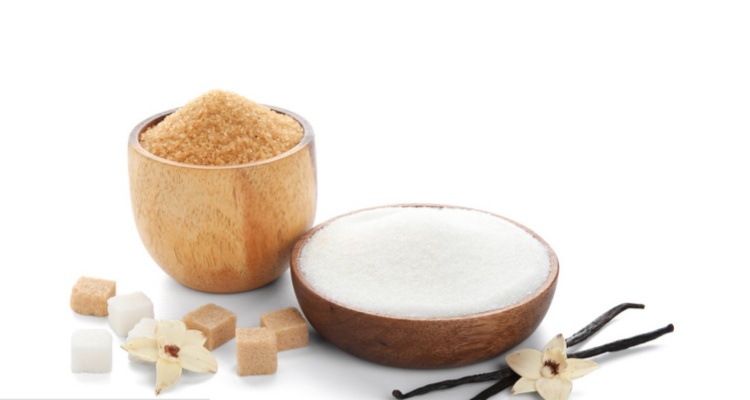
3.Xylitol:
In 1891 by xylose hydrogenation, the natural presence in vegetables, the current food industry can also be synthesized from hemicellulose,
sweetness is about 90% of sucrose, per gram can produce 1 calories, often used in candy, chewing gum or cooling lozenges manufacturing.
Natural sweetener:
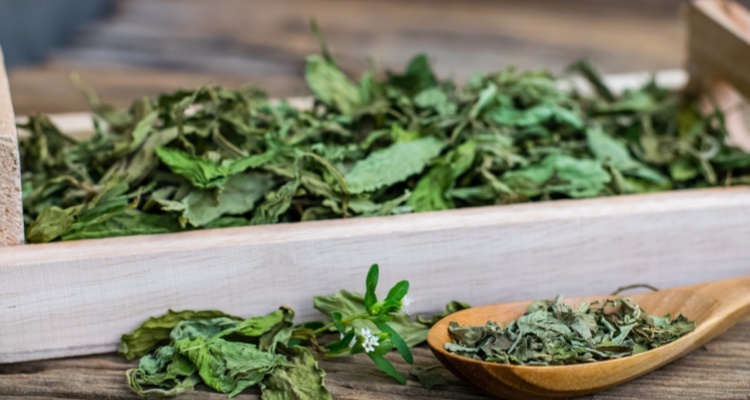
1.Stevia Extract:
Also known as stevia, by soaking its dry leaves in water, filtering to separate the liquid from the leaves and stems, and further purifying with water or food-grade alcohol,
its sweetness is 200-300 times that of sucrose, and the calorific value is only 1/300 of sucrose,
which can provide more flexible options for diabetics in terms of total calorie intake budget and help control weight.
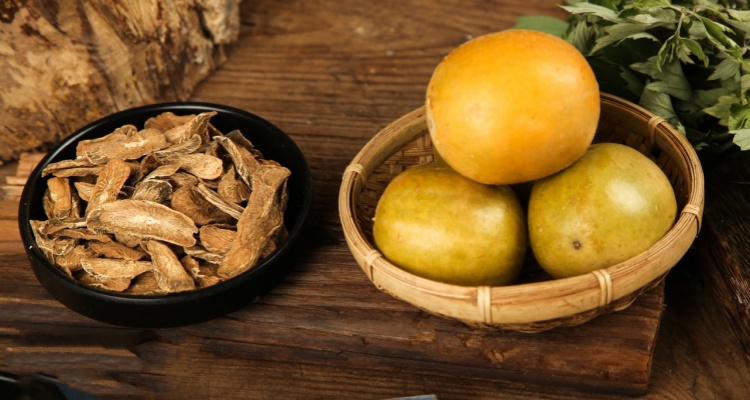
2.MonkFruit Extract Glycoside:
Extracted from the monk fruit, the sweetness is 266-344 times of sucrose, with high sweetness, low calorie characteristics,
edible safety, will not cause blood sugar fluctuations, often used in drinks, pastries, candy and other foods
Artificial sweetener
1.Sucralose:
Discovered in 1976, by the British Telly company and the University of London jointly developed patent application, is the only functional sweetener with sucrose as raw materials,
sweetness up to 600 times, with no energy, high sweetness, pure sweetness, high safety and other characteristics,
in water sweetening coefficient higher than sugar about 750 to 500 times. It can be used in beverages, chewing gum, frozen desserts, juices and jellies.
2.Saccharin:
The earliest (1879) discovery of artificial sweetener, sweetness is 300 times that of sucrose, white powder, soluble in water, heat stable and cheap, but after eating bitter,
there are 80 countries in the world, including China and the United States.
3.Cyclamate:
In 1937, it was found that the sweetness is about 30 times that of sucrose, and in some studies it was found that although sweetener is not carcinogenic,
it may be a cancer promoter, so the United States completely banned it in August 1970,
but the United Nations International Health Organization and the European Common Market all consider it to be a safe food additive.
There are 40 countries in the world, including China, that allow it.
4.Aspartame:
In 1965, American chemists accidentally discovered when synthesizing peptides, dipeptides composed of aspartate and amphetamine acid,
sweet 150-200 times that of sucrose, no bitter taste, high sweetness, but unstable to heat, sweet will disappear at high temperature, can not be used in baked goods,
widely used in candy or low-calorie beverages. It's not suitable for people with phenylketonuria.
Types of sugar substitute products
Sweetener single product:
For example, various brands of xylitol, stevia, erythritol, etc., can be used in cooking, baking, or directly added to drinks as traditional sugars.
Sugar-free drinks:
Including sugar-free cola, sugar-free tea drinks, sugar-free juice drinks, etc., the use of sugar substitutes to replace traditional sugar,
both to meet the needs of consumers for sweetness, but also reduce the intake of calories and sugar.
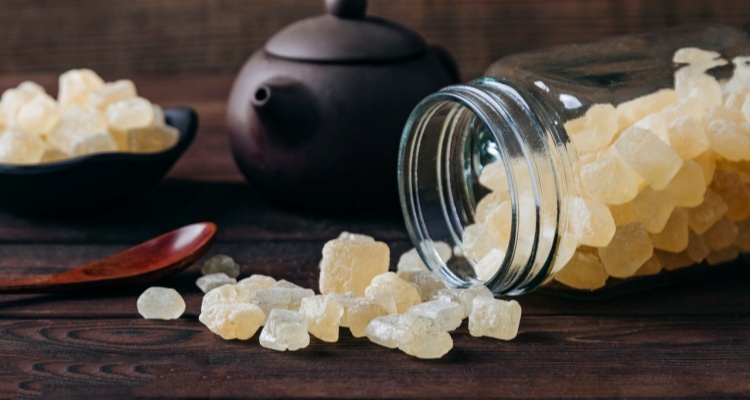
Sugar-free candy:
Such as sugar-free chewing gum, sugar-free hard candy, sugar-free chocolate, etc., to substitute sugar as a sweet source, suitable for when you want to eat sweet food,
while not like ordinary candies lead to a rapid rise in blood sugar or excessive intake of calories.
Sugar-free baked goods:
Such as sugar-free cakes, sugar-free bread, sugar-free cookies, etc., to meet the needs of consumers who like baked goods for low sugar or sugar-free foods,
so that they can enjoy food while controlling sugar intake.
Suggestions for purchasing sugar substitute products
See sugar types in Qing Dynasty:
Choose according to your own needs and preferences, such as xylitol for cool taste, and erythritol for pursuit of low calories